Mastering Hardie Siding Installation: A Comprehensive Guide
Embark on a journey into the world of Hardie siding installation, where quality meets durability. Learn about the ins and outs of this versatile material and how proper installation techniques can make all the difference. From common challenges to expert tips, this guide has it all.
Introduction to Hardie Siding Installation
Hardie siding, also known as fiber cement siding, is a durable and low-maintenance material made of a mixture of wood pulp, cement, clay, and sand. It is popular for its ability to withstand harsh weather conditions, resist rotting, and provide a long-lasting exterior finish for homes.
Importance of Proper Installation Techniques
Proper installation techniques are crucial when it comes to Hardie siding to ensure its longevity and performance. Incorrect installation can lead to water infiltration, poor insulation, and even void the manufacturer’s warranty.
- Ensuring proper flashing and sealing around windows and doors
- Following manufacturer’s guidelines for fastener placement
- Allowing for proper expansion and contraction of the siding panels
Challenges Faced During Hardie Siding Installation
While Hardie siding offers numerous benefits, the installation process can present challenges that need to be addressed for a successful outcome.
- Heavy weight of the material can make handling and installation difficult
- Precision cutting required due to the brittle nature of fiber cement
- Proper ventilation to prevent moisture buildup behind the siding
Pre-Installation Preparation
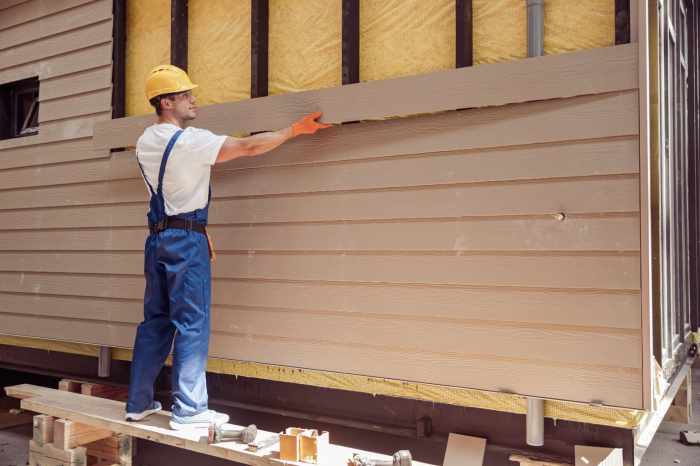
Before beginning the Hardie siding installation process, it is crucial to ensure that you have all the necessary tools and materials ready. Additionally, inspecting the condition of the exterior wall is essential to identify any potential issues that need to be addressed before installing the siding.
Lastly, accurately measuring and estimating the amount of siding needed for the project is key to avoiding any delays or shortages during the installation process.
Tools and Materials Required
- Hardie siding panels
- Nails or screws
- Tape measure
- Level
- Circular saw
- Utility knife
- Hammer or nail gun
- Safety glasses
Inspection of Exterior Wall
Before installing Hardie siding, thoroughly inspect the exterior wall for any signs of damage, moisture issues, or rot. Addressing these issues beforehand will ensure a smooth installation process and prevent any further damage to the siding in the future.
Measuring and Estimating Siding Amount
Properly measuring and estimating the amount of siding needed is crucial to avoid shortages or excess material during the installation.
- Measure the height and width of each wall to be sided.
- Calculate the total square footage by multiplying the height by the width of each wall.
- Consider any openings or architectural features that may require additional siding.
- Add a buffer of 5-10% to account for waste or mistakes during installation.
Installation Process
When it comes to installing Hardie siding, following a step-by-step procedure is crucial to ensure a successful and long-lasting outcome. From cutting and fitting the panels to fastening them securely, each step plays a vital role in the overall installation process.
Best Practices for Cutting and Fitting Hardie Siding Panels
- Measure Twice, Cut Once: Take accurate measurements of the area where the siding will be installed to avoid unnecessary wastage.
- Use the Right Tools: Utilize specialized cutting tools such as shears or a circular saw with a carbide-tipped blade designed for fiber cement.
- Follow Manufacturer Guidelines: Refer to the installation instructions provided by James Hardie for specific cutting and fitting recommendations.
- Ensure Proper Alignment: Maintain consistent spacing and alignment between panels for a professional finish.
Properly Fastening the Siding for Durability and Longevity
- Choose the Correct Fasteners: Use corrosion-resistant nails or screws that are approved for use with fiber cement siding.
- Securely Attach Panels: Fasten the siding at the appropriate intervals as specified by the manufacturer to prevent warping or buckling.
- Pre-Drill Holes: For best results, pre-drill holes in the siding to prevent cracking and ensure a snug fit during installation.
- Consider Expansion Gaps: Allow for expansion and contraction by leaving small gaps between the siding and trim pieces.
Finishing Touches and Maintenance
When it comes to finishing touches and maintenance for Hardie siding, there are several options and practices to consider to ensure the longevity and appearance of your siding.
Finishing Options
- Hardie siding comes in a variety of finishes, including smooth, wood grain, and stucco textures.
- You can choose from a wide range of colors to match your home’s aesthetic.
- For a custom look, consider adding trim, corner pieces, and decorative elements.
Caulking, Painting, and Sealing
- After installation, make sure to caulk all joints, corners, and edges to prevent water infiltration.
- Use high-quality exterior paint specifically designed for fiber cement siding to ensure long-lasting color and protection.
- Consider applying a clear sealant to provide an extra layer of protection against the elements.
Regular Maintenance
- Regularly inspect your Hardie siding for any signs of damage, such as cracks, chips, or warping.
- Clean your siding at least once a year with a gentle detergent and water to remove dirt, mold, and mildew.
- Trim any trees or shrubs that come into contact with the siding to prevent damage.
Last Point
In conclusion, Hardie siding installation is not just a task but a craft that requires precision and care. With the right tools and knowledge, you can transform any space with this sturdy siding option. Let your home shine with Hardie siding, a choice that lasts a lifetime.
Query Resolution
What are the benefits of Hardie siding?
Hardie siding is known for its durability, resistance to elements, and low maintenance requirements.
How do you estimate the amount of siding needed for a project?
You can calculate the square footage of the area to be covered and purchase slightly more siding to account for waste.
What are the finishing options available for Hardie siding?
Finishing options include painting, staining, or leaving the siding in its natural color.