Exploring the World of Siding and Gutters
Embarking on a journey into the realm of siding and gutters, this article aims to provide a comprehensive overview of these essential components in building structures.
Delving into the different types of materials, installation processes, and maintenance tips, readers will gain valuable insights into the world of siding and gutters.
Introduction to Siding and Gutters
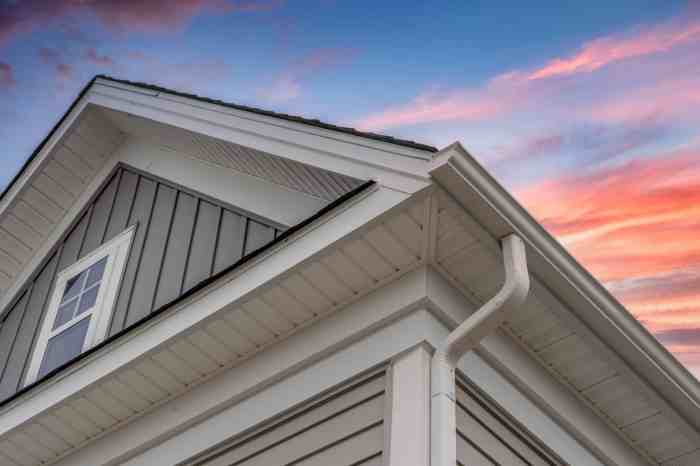
Siding and gutters are essential components of a building’s exterior that play a crucial role in protecting the structure from various elements.Siding refers to the material used to cover the exterior walls of a building. It serves as a protective layer against weather conditions, such as rain, snow, and wind.
Additionally, siding can enhance the aesthetic appeal of a property and increase its overall value.Gutters, on the other hand, are channels attached to the edges of the roof that collect rainwater and direct it away from the building’s foundation. By preventing water from pooling around the foundation, gutters help to avoid potential water damage, such as flooding or erosion.Together, siding and gutters work hand in hand to shield a building from moisture, debris, and other external threats.
Proper installation and maintenance of siding and gutters are crucial for ensuring the longevity and structural integrity of a property.
Types of Siding Materials
When it comes to choosing the right siding for your home, there are several materials to consider. Each type of siding material has its own set of characteristics, including durability, maintenance requirements, and cost. Let’s explore some common siding materials and compare their pros and cons.
Vinyl Siding
Vinyl siding is one of the most popular choices due to its affordability and low maintenance. It is durable, resistant to rot and insect damage, and comes in a variety of colors. However, it may crack or fade over time, and some homeowners find it less visually appealing compared to other options.
Fiber Cement Siding
Fiber cement siding is known for its durability and resistance to fire, insects, and rot. It can mimic the look of wood or stucco and requires minimal maintenance. However, it is heavier and more expensive than vinyl siding.
Wood Siding
Wood siding offers a classic, natural look and can be painted or stained to match your aesthetic preferences. It is eco-friendly and biodegradable, but requires regular maintenance to prevent rot, pests, and mold. Wood siding is also more susceptible to fire damage.
Aluminum Siding
Aluminum siding is lightweight, durable, and resistant to rust and rot. It requires minimal maintenance and can be painted in various colors. However, aluminum siding is prone to dents and scratches, especially in areas with high winds or hail.
Brick Siding
Brick siding is known for its longevity, strength, and low maintenance requirements. It provides excellent insulation and is fire-resistant. However, brick siding is one of the most expensive options and may require professional installation.
Stone Veneer Siding
Stone veneer siding offers a luxurious and elegant look without the high cost of natural stone. It is lightweight, easy to install, and comes in a variety of styles and colors. However, it may be prone to chipping or cracking over time.
Composite Siding
Composite siding is a blend of different materials, such as wood fibers and recycled plastics, offering the benefits of both worlds. It is durable, low-maintenance, and comes in various styles. However, composite siding can be more expensive than vinyl or wood siding.
Installation of Siding
Installing siding requires careful planning and precise execution to ensure a successful outcome. Here are the general steps involved in installing siding, the tools and equipment needed, and tips for a smooth installation process.
General Steps for Installing Siding
- Prepare the exterior surface by cleaning and repairing any damage.
- Take accurate measurements to determine the amount of siding needed.
- Install the starter strip at the bottom of the wall to create a level base.
- Begin installing the siding from the bottom up, ensuring each piece overlaps the previous one.
- Cut siding panels to fit around windows, doors, and corners as needed.
- Finish with trim pieces around edges and corners for a polished look.
Tools and Equipment Needed for Siding Installation
- Hammer or nail gun for securing siding panels
- Tape measure for accurate measurements
- Saw for cutting siding panels to size
- Level to ensure siding is installed straight and even
- Siding removal tool for any necessary repairs or replacements
Tips for Ensuring a Successful Siding Installation
- Follow manufacturer instructions for the specific type of siding being installed.
- Work in small sections to maintain control and accuracy throughout the installation process.
- Double-check measurements and cuts to avoid unnecessary mistakes.
- Use proper safety gear, such as gloves and eye protection, when working with siding materials.
- Consider hiring a professional installer for complex or large-scale siding projects.
Importance of Gutters
Gutters play a crucial role in managing rainwater and protecting buildings from potential water damage. Without effective gutters, rainwater can cause a variety of issues, including structural damage, foundation erosion, and mold growth.
Function of Gutters in Managing Rainwater
Gutters are designed to collect rainwater from the roof and direct it away from the building’s foundation. This helps prevent water from pooling around the structure, which can lead to damage over time. By channeling rainwater to designated downspouts, gutters ensure that water is safely diverted away from the property.
Preventing Water Damage to a Building
- Gutters help prevent water from seeping into the walls and causing structural damage.
- By directing rainwater away from the foundation, gutters reduce the risk of foundation erosion and settling.
- Properly functioning gutters also prevent water from entering basements or crawl spaces, reducing the risk of flooding.
Significance of Proper Gutter Maintenance
- Regular gutter cleaning and maintenance are essential to ensure that gutters remain free of debris and obstructions.
- Clogged gutters can lead to water overflow, causing damage to the roof, siding, and foundation of a building.
- By keeping gutters clean and well-maintained, property owners can prolong the lifespan of their gutters and protect their investment in the long run.
Types of Gutter Systems
When it comes to gutter systems, there are different types available based on their construction and materials used. Understanding the various options can help you make an informed decision for your home.
Seamless Gutters
Seamless gutters are made from a continuous piece of material, custom-cut to fit the dimensions of your home. They are popular for their sleek appearance and reduced risk of leaks compared to sectional gutters.
- Materials commonly used for seamless gutters include aluminum, copper, and steel.
- Benefits of seamless gutters include minimal maintenance, fewer chances of clogging, and increased durability.
Sectional Gutters
Sectional gutters are made up of smaller sections joined together during installation. While they are more affordable than seamless gutters, they may be prone to leaks at the joints over time.
- Common materials for sectional gutters include aluminum, vinyl, and steel.
- Sectional gutters are easier to install and repair due to their segmented design.
Vinyl Gutters
Vinyl gutters are lightweight and cost-effective, making them a popular choice for homeowners on a budget. However, they may not be as durable as metal gutters and can warp in extreme weather conditions.
- Features of vinyl gutters include easy installation, resistance to rust and corrosion, and low maintenance requirements.
- They are available in a variety of colors to match different home exteriors.
Aluminum Gutters
Aluminum gutters are lightweight, rust-resistant, and suitable for various weather conditions. They are a versatile option that can be easily painted to match your home’s color scheme.
- Benefits of aluminum gutters include affordability, low maintenance, and the ability to withstand expansion and contraction.
- They are available in seamless and sectional designs to suit different preferences.
Gutter Installation and Maintenance
When it comes to gutter installation and maintenance, proper care and attention are essential to ensure the longevity and effectiveness of your gutter system.
Step-by-Step Guide to Installing Gutters
- Start by measuring the length of your roofline where the gutters will be installed.
- Choose the appropriate gutter materials and size based on the measurements.
- Install the gutter hangers along the roofline for support.
- Attach the gutter sections and secure them with screws or rivets.
- Ensure proper slope for water flow towards the downspouts.
- Connect the downspouts to divert water away from the foundation.
Importance of Gutter Maintenance
Regular gutter maintenance is crucial in preventing issues such as water damage, mold growth, and foundation problems. Clogged or damaged gutters can lead to costly repairs and structural damage to your property.
Tips for Cleaning and Maintaining Gutters Effectively
- Inspect and clean gutters at least twice a year, especially before the rainy season.
- Remove debris such as leaves, twigs, and dirt from the gutters and downspouts.
- Check for leaks, loose joints, or sagging gutters and repair them promptly.
- Consider installing gutter guards to prevent debris buildup and make cleaning easier.
- Trim overhanging branches to prevent leaves from falling into the gutters.
End of Discussion
In conclusion, siding and gutters play a crucial role in safeguarding buildings from external elements and maintaining their structural integrity. By understanding the importance of these components and how to properly care for them, homeowners can ensure the longevity of their properties.
FAQ Corner
What are the benefits of seamless gutter systems?
Seamless gutter systems are less prone to leaks compared to sectional gutters, providing better protection against water damage.
How often should gutters be cleaned?
Gutters should be cleaned at least twice a year to prevent clogs and ensure proper water flow.
What is the most durable material for siding?
Fiber cement is known for its durability and resistance to elements, making it a popular choice for siding material.